
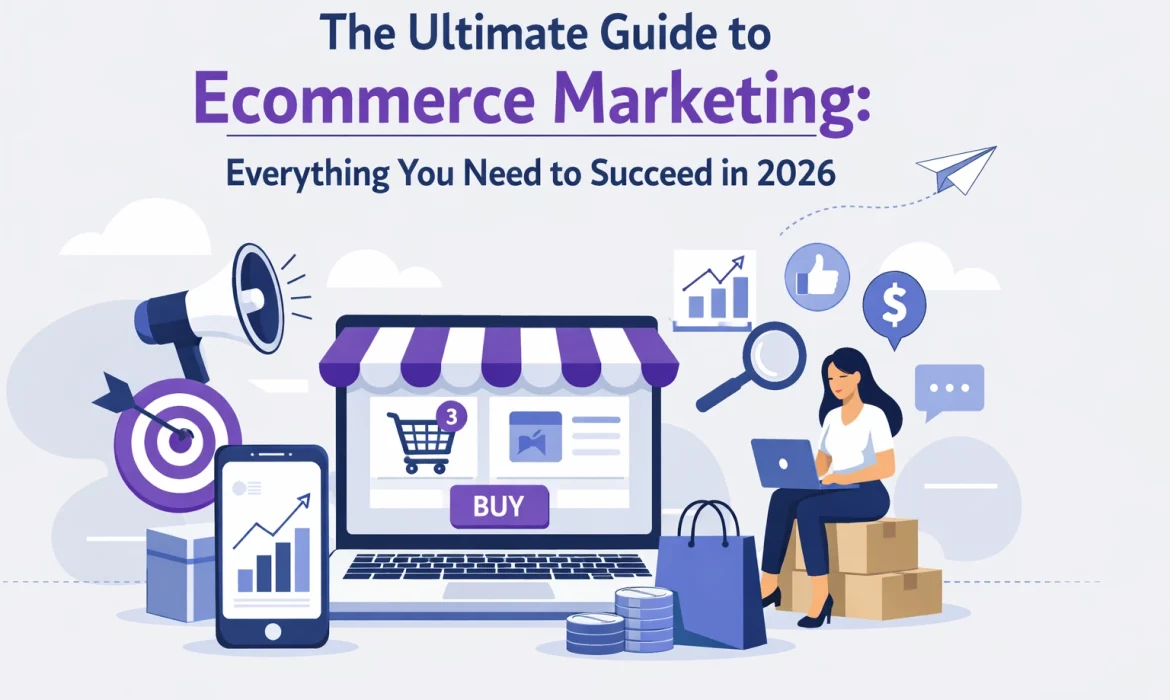
Hey there, digital trailblazers! It’s March 2026, and if you’ve noticed that the ecommerce landscape feels a little more… intelligent lately, you aren't imagining things. The days of "spray and pray" advertising are officially in the rearview mirror. Today, winning in the digital marketplace requires a blend of high-tech precision and high-touch human connection.
At Marketing Collab USA, we’ve seen the shift firsthand. Whether you’re a scrappy startup or an established brand looking to modernize your branding services, the rules have changed. Success in 2026 isn't just about having a great product; it’s about how that product finds the right person at the exact moment they need it.
Buckle up. We’re diving into the ultimate guide to ecommerce marketing for 2026.
1. AI-Powered Personalization: Moving Beyond "Customers Also Bought"
Remember when "personalization" just meant putting someone's first name in an email? (Cringe, right?) In 2026, personalization is driven by deep behavioral models. We’re talking about AI that understands not just what a customer bought last month, but their current "mood signals" based on how they’re scrolling, their time on page, and even the weather in their local zip code.
Hyper-Personalization at Scale
Instead of generic categories, your store should offer a unique experience for every visitor. Behavioral recommendation models now respond to session behavior in real-time. If a user arrives via a specific SMM marketing campaign, their entire browsing experience, from the hero banner to the product sorting, should align with that specific intent.
Visual Search: The "I See It, I Want It" Factor
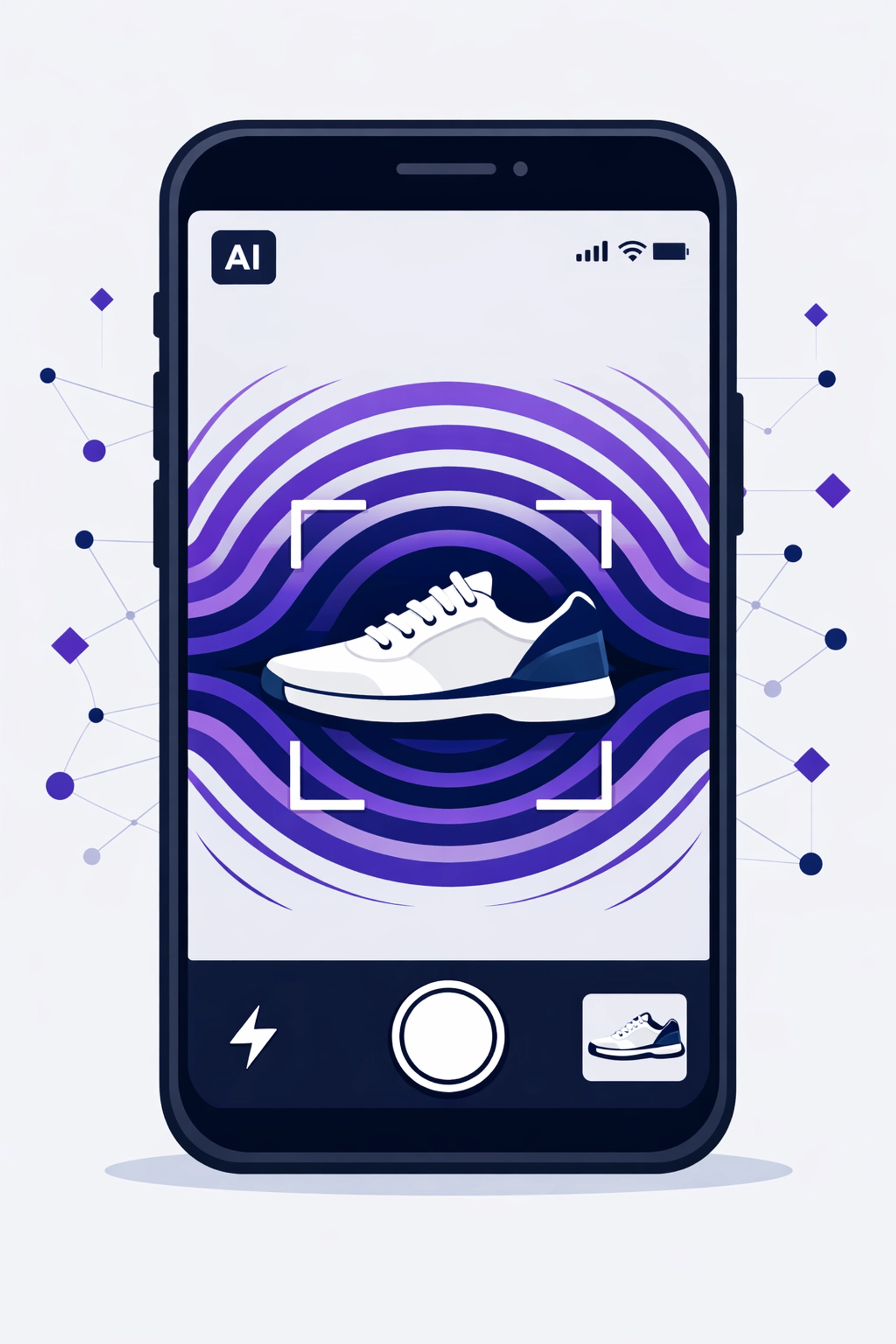
Visual search has moved from a "cool feature" to a conversion powerhouse. Consumers now expect to upload a screenshot or point their camera at a pair of shoes in the wild and find a match in your store instantly. Integrating visual search capabilities allows you to capture those impulse moments that traditional keyword searches miss.
2. The New SEO: Product-Led Discovery
If you’re still obsessing over generic keywords, it’s time for an update. Our SEO services have shifted focus toward product-led search experiences. In 2026, search engines are smarter; they’re looking for structured product data that answers the specific question: "Which one is right for me?"
Aligning Organic and Paid Search
One of the biggest mistakes we see brands make is running their SEO and Google Ads in silos. To succeed now, you need to eliminate duplicate spend.
- The Signal Loop: Use your organic "winners" to lower your bids on overlapping paid terms.
- Gap Coverage: Deploy our Google Ads management specifically for queries where you aren't ranking on page one yet.
- Faceted Navigation: Structure your site with attributes like material, fit, and specific use cases. This helps search engines index your products as solutions to very specific problems.
3. Social Commerce: From Feed to Front Door
Social media isn't just for discovery anymore; it’s the actual mall. Platforms like TikTok and Instagram have perfected native social storefronts, making the distance between "liking" and "owning" virtually zero.
Native Storefronts and Live Shopping
By 2026, frictionless shopping is the standard. You need to sync your product categories directly with your Meta Ads agency strategy. This ensures that when someone sees a shoppable video, they can check out without ever leaving the app. It protects your margins by reducing drop-offs and improves your cross-channel reporting.
The Power of UGC (User-Generated Content)
Let’s be real: customers don’t trust brands as much as they trust other people. Unboxings, "Get Ready With Me" (GRWM) videos, and honest reviews are the modern word-of-mouth. Brands that lean into UGC see conversion rates jump by as much as 13%. (Pro tip: Incentivize your customers to post! A small discount on their next order for a video review goes a long way.)

4. Influencer Marketing: Why Small is the New Big
In 2026, the era of the "Mega-Influencer" has cooled off. Consumers are savvy; they know a celebrity endorsement is often just a paycheck. Instead, the real ROI is found in micro-influencers.
The Micro-Influencer Advantage
We’re talking about creators with 5,000 to 50,000 followers who have built fierce loyalty within a niche. Whether it's a specialized vegan chef or a local fitness enthusiast, their recommendations carry weight.
- Trust over Reach: Micro-influencers don't feel like "ads."
- Performance Tracking: At Marketing Collab USA, we help you give creators trackable codes and links tied to specific cohorts. This transforms influencer marketing from a "hope it works" awareness play into a measurable growth channel.
5. Revenue Optimization: The Art of the Keep
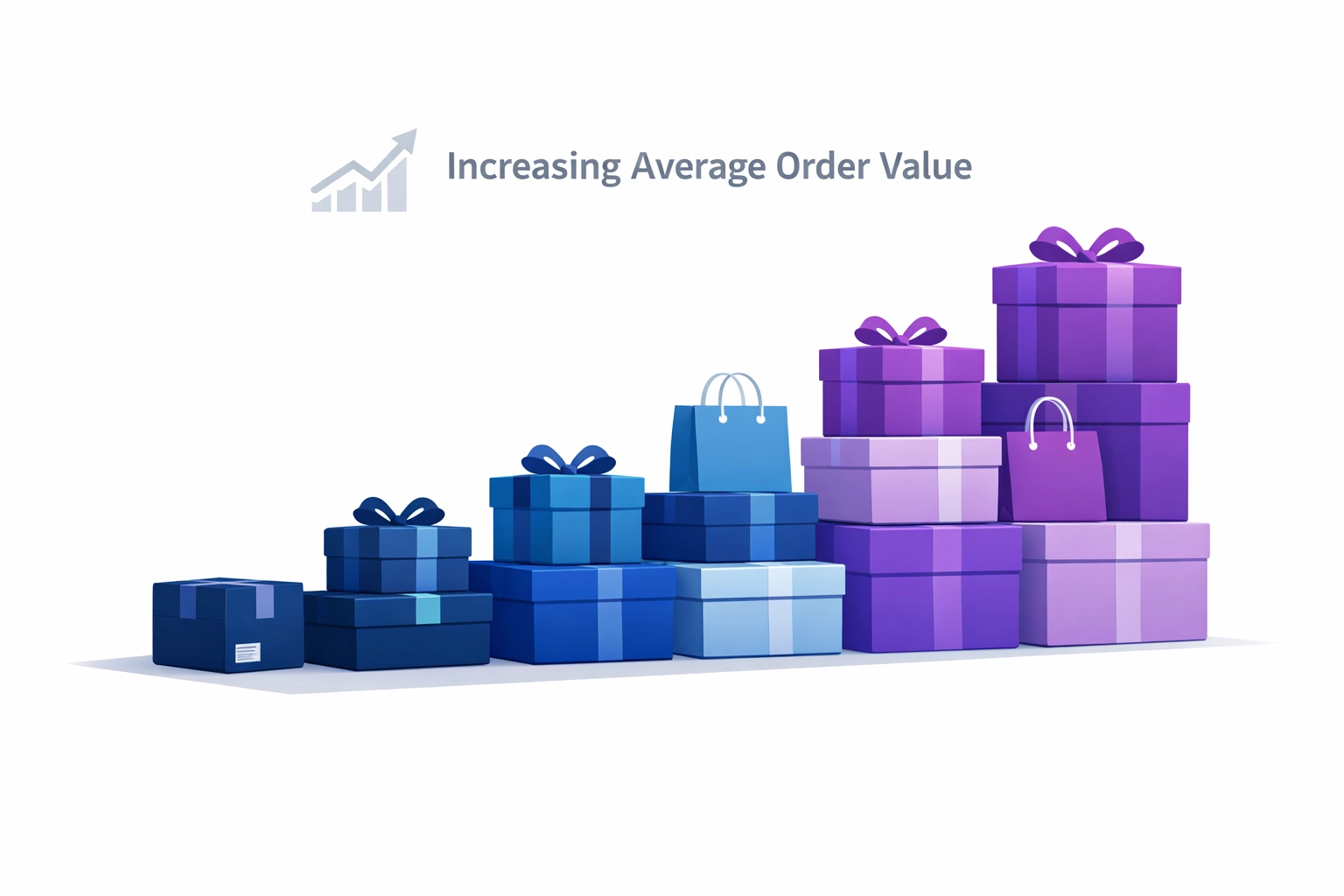
Acquiring a new customer is expensive. Keeping one? That’s where the real profit lives. Revenue optimization in 2026 is about increasing Average Order Value (AOV) and boosting Customer Lifetime Value (CLV).
Strategic AOV Boosters
Don’t just ask people to "buy more." Give them a reason to.
- AI-Driven Bundling: Suggest items that actually make sense based on what’s in the cart.
- Loyalty Tiers: Offer unique incentives for your top-tier customers, think early access to drops or "first-look" digital collectibles.
- Automated Reminders: Use push notifications and personalized email reminders to nudge repeat purchases when a customer is likely running low on a product.
6. Emerging Tech: AR and the Virtual Fitting Room
Return rates are the silent killer of ecommerce margins. One of the best ways to fight back in 2026 is through Augmented Reality (AR).
By implementing AR tools, like those seen in our AR media portfolio, customers can see how a rug looks in their living room or how a pair of glasses fits their face. This isn't just a gimmick; it provides the "tangibility" that online shopping used to lack. When a customer can "try before they buy" virtually, their confidence goes up, and your return rate goes down.
7. Bringing it All Together: The Connected Ecosystem
The biggest takeaway for ecommerce success in 2026? Alignment.
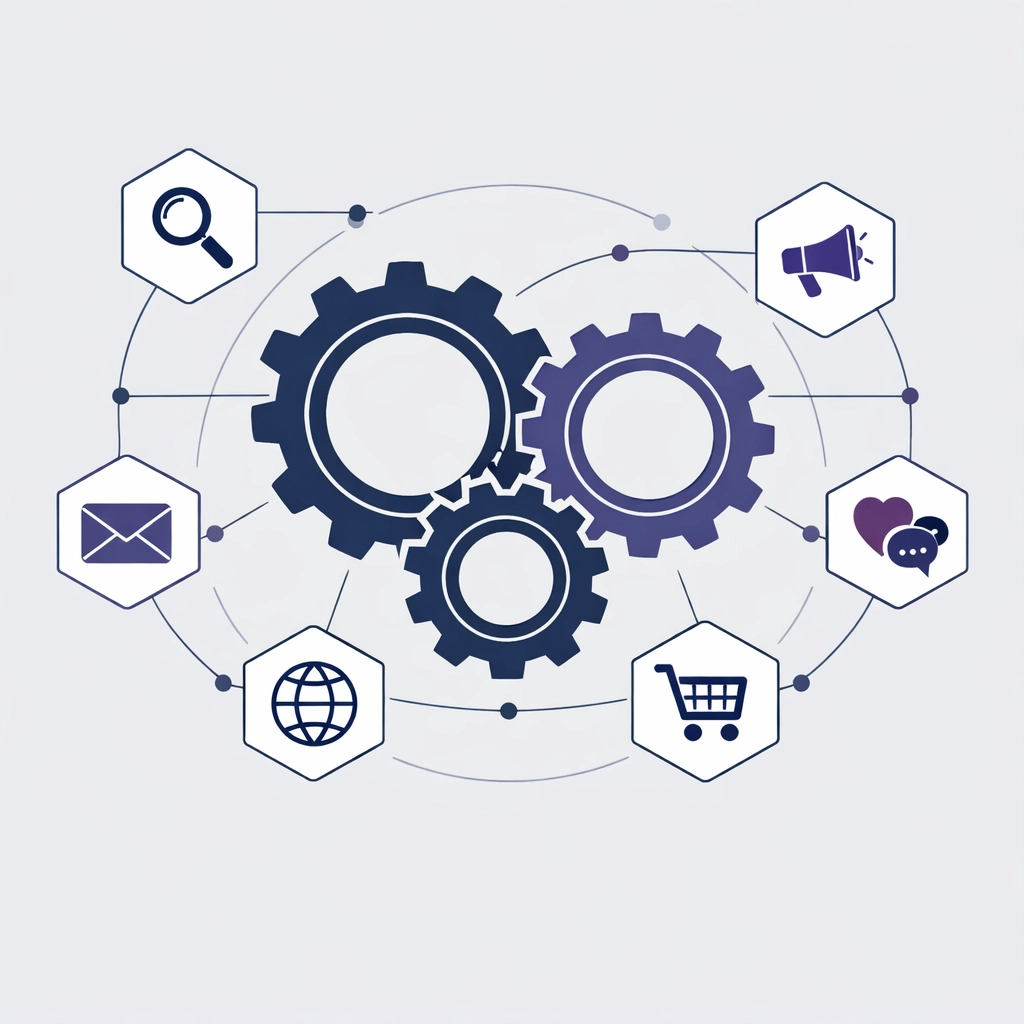
You can't have a great SEO strategy that doesn't talk to your Meta Ads. You can't have a branding strategy that ignores the way people interact with your AI chatbot. Every piece of the puzzle, from your branding services to your digital marketing agency in Miami partnerships, must work as one connected system.
Why Strategic Collaboration Matters
Managing all these moving parts is a full-time job (and then some). That’s why we focus on collaboration. You know your product; we know the tech and the trends.
"In 2026, the winners won't be the ones with the biggest budgets, but the ones with the most integrated data and the clearest brand voice."
Your 2026 Ecommerce Checklist
To wrap things up, here’s a quick hit-list to see if you’re ready to dominate this year:
- Is my site optimized for visual and product-led search?
- Are my organic and paid search strategies sharing data?
- Am I leveraging micro-influencers for niche credibility?
- Do I have a native social storefront active on TikTok and Meta?
- Is my personalization based on real-time behavior or just old data?
- Have I explored AR to reduce my return rates?
If you checked "no" to more than two of those, don't sweat it. The digital world moves fast, and it’s okay to ask for a navigator. Whether you need a top-tier Meta Ads agency or a comprehensive overhaul of your SEO services, the team at Marketing Collab USA is here to help you turn those "no's" into "heck yes's."
Ready to scale your store to the moon? Let's chat. Contact us today and let’s build the future of your brand together.
Stay bold, stay creative, and keep selling!

