
Welcome to 2026. If you’re reading this, you probably know that the ecommerce landscape isn’t what it used to be. The days of "set it and forget it" Facebook ads and basic keyword stuffing are long gone. Today, scaling a brand requires a sophisticated blend of artificial intelligence, deep human connection, and a profit-first mindset.
At Marketing Collab USA, we’ve seen the shift firsthand. The brands winning right now aren't just selling products; they’re orchestrating complex, multi-channel experiences that feel effortless to the customer. Whether you're a startup looking for your first big break or an established player aiming to double your revenue, this guide is your roadmap to navigating the ecommerce world in 2026.
The Shift: From Tactics to Ecosystems
In the past, you might have hired one person for SEO and another for paid ads. In 2026, those silos are your biggest enemy. Successful ecommerce marketing now relies on an integrated ecosystem where data flows freely between acquisition, conversion, and retention.
The goal isn't just to get a click; it’s to build a relationship that lasts. This means your branding must be as sharp as your bidding strategy. If your message doesn't resonate, no amount of AI optimization will save your margins.
1. AI-Powered Personalization (The New Standard)
We’ve moved past the era of generic "You might also like" widgets. In 2026, AI-powered personalization is about predicting what your customer wants before they even realize it themselves.
Modern behavioral models now analyze session behavior, traffic sources, and historical data in real-time. This allows you to:
- Show dynamic website content based on the user's entry point.
- Personalize email and SMS offers based on price sensitivity.
- Automatically test thousands of headline and creative variations to see which specific product bundles drive the highest Average Order Value (AOV).
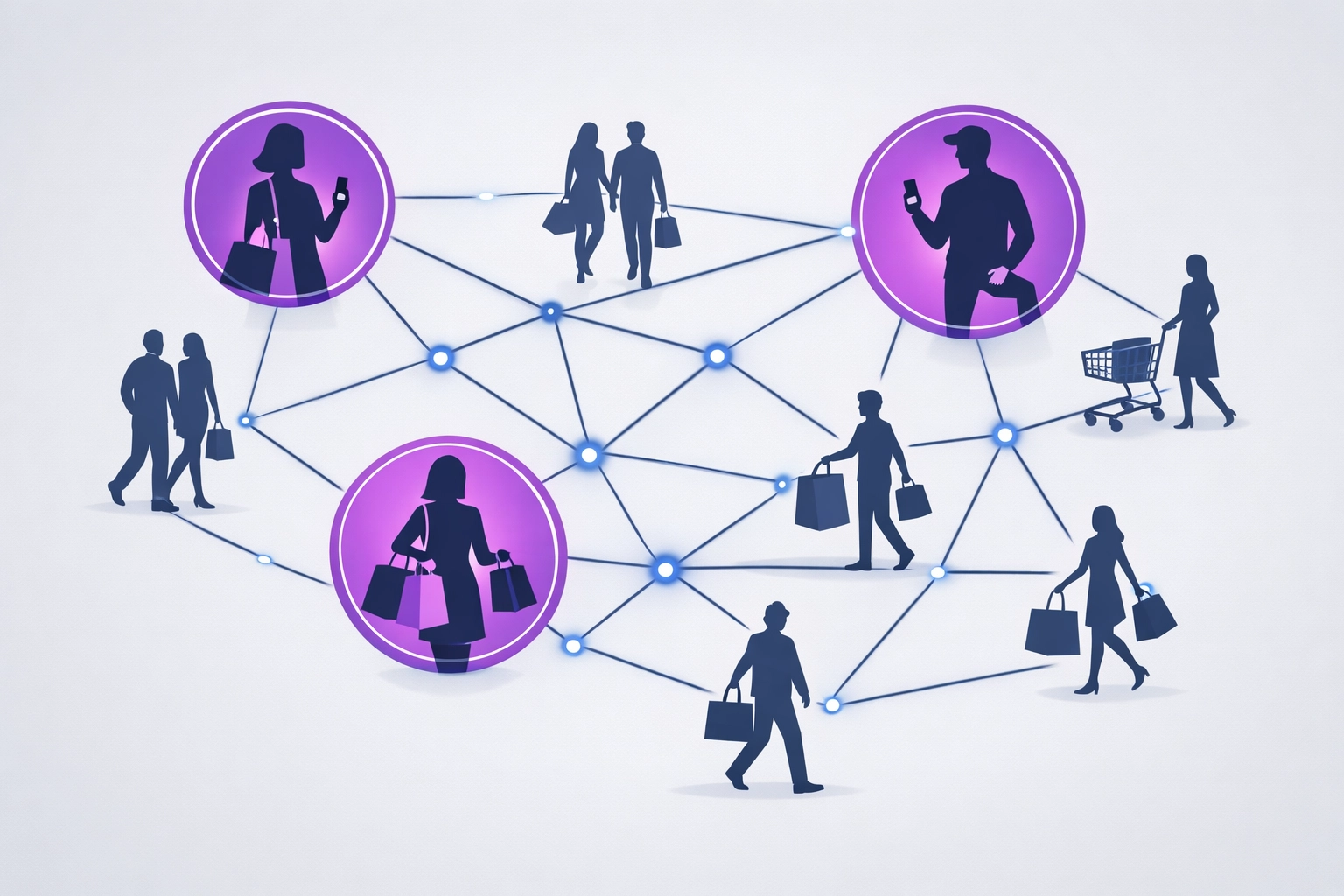
If you aren't using AI to segment your audience and tailor their journey, you're essentially shouting into a void. At Marketing Collab USA, we help brands implement these digital systems to ensure every touchpoint feels unique.
2. Mobile-First (Or Mobile-Only?)
Over 70% of all ecommerce traffic now comes from mobile devices. If your mobile experience is just a "shrunken version" of your desktop site, you’re leaving money on the table.
To scale in 2026, your mobile site must:
- Load in under 2 seconds: Any slower, and your bounce rate will skyrocket.
- Simplify checkout: We’re talking three steps or fewer. One-click purchasing via Apple Pay, Google Pay, or crypto-wallets is no longer optional, it’s expected.
- Use mobile-friendly creative: Single-column layouts and large, tappable buttons are the rule.
If your mobile conversion rate is less than half of your desktop rate, you don't have a marketing problem; you have a web design problem.
3. The SEO and Paid Search Power-Sync
One of the biggest mistakes we see at our agency is brands running SEO and Paid Search in completely separate departments. In 2026, these two must work in tandem.
By sharing keyword data, you can identify "organic winners" and reduce your bids on those terms to save budget. Conversely, you can use paid ads to fill the gaps where your organic ranking hasn't quite hit the first page yet. You can dive deeper into our SEO strategies to see how we coordinate these efforts.
Treat every category page as a landing page. Use structured product data, material, fit, use case, to ensure you're showing up in "which one is right for me" searches. This is the "consultative" side of search marketing that wins the click every time.
4. Video Content: The Engagement Engine
Video isn't just a part of the strategy; it is the strategy. Static images are increasingly ignored by savvy consumers. To capture attention in 2026, you need:
- Product Demos: A 15-second video showing the product in action on every listing.
- Short-Form Social: High-energy content for TikTok and Instagram Reels that focuses on entertainment first and selling second.
- Social Proof: Video testimonials from real customers. These carry far more weight than a 5-star text review.

"Using video thumbnails in your email marketing can increase click-through rates by up to 300%. It’s a simple tweak that delivers massive ROI." , Marketing Collab USA Strategy Team
5. Profit-Based Bidding (Forget ROAS)
This is a big one. For years, the industry worshipped at the altar of ROAS (Return on Ad Spend). But ROAS is a vanity metric that hides the truth about your margins.
In 2026, we focus on Contribution Margin. This means bidding based on the actual profit a product generates, accounting for shipping, COGS, and return rates. It also means weighting your bids toward customers with a high predicted Lifetime Value (LTV). Why pay $50 to acquire a customer who will only buy once when you could pay $70 for a customer who will buy every month for a year?
Marketing Channel Effectiveness in 2026
Choosing where to spend your budget can be overwhelming. Here’s a quick breakdown of the channels we’re seeing the most success with right now:
| Channel | Setup Cost | Timeline | ROI Potential | Best For |
|---|---|---|---|---|
| SMS Marketing | Low | Immediate | High | Flash sales & alerts |
| Cart Recovery | Low | Immediate | Very High | Recovering lost revenue |
| Paid Social | Medium | Immediate | Medium | Rapid testing & scale |
| SEO | High | 4-6 Months | Very High | Long-term stability |
| Influencers | Medium | 1-2 Months | High | Social proof & reach |
6. Social Commerce and Creator Partnerships
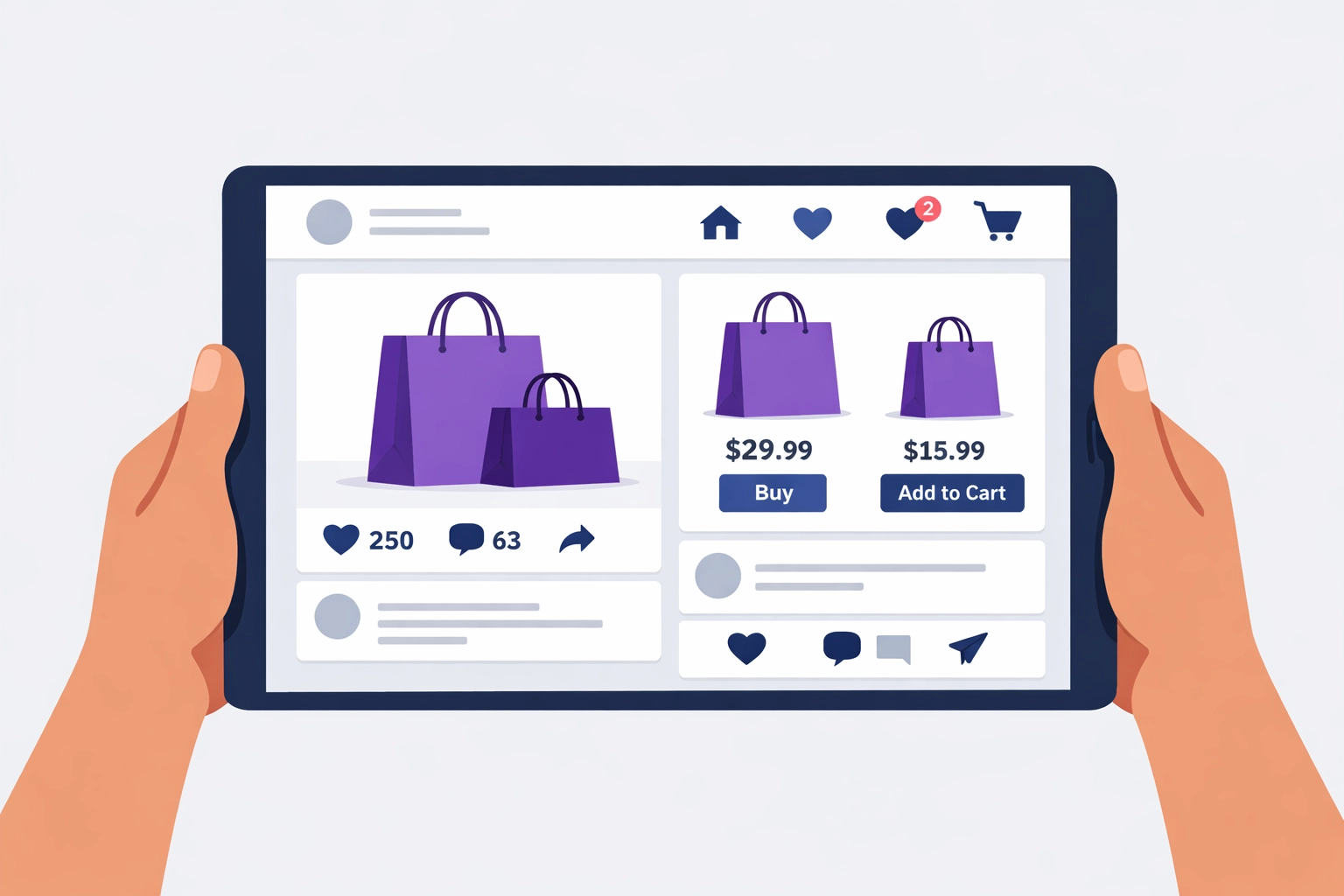
Social platforms are no longer just for discovery; they are full-funnel storefronts. With integrated shops on TikTok and Instagram, the checkout happens right where the discovery does.
To win here, you need to sync your product feeds perfectly. But more importantly, you need creators. Scaling influencer marketing in 2026 means moving away from "one-off posts" and toward long-term partnerships. Provide creators with exclusive bundles and trackable links that tie back to specific cohort performance. You can see some of our creative work in this space in our portfolio.
7. Emerging Tactics: Voice and Visual Search
Voice commerce is projected to hit nearly $500 billion this year. People aren't just typing "blue running shoes" anymore; they're asking their AI assistants, "Hey, what are the best eco-friendly running shoes for marathon training?"
To optimize for this, your content needs to be written in natural, conversational language. Detailed alt-text for images is also crucial for visual search: when someone takes a photo of a dress they like, you want your store to be the one that pops up in their search results.
How to Choose Your Strategy
So, how do you decide where to start? It depends on your current stage:
- The Bootstrapper: Focus on high-ROI, low-cost triggers like SMS, cart abandonment flows, and email marketing.
- The Scaler: Focus on syncing SEO/Paid search and investing heavily in short-form video content.
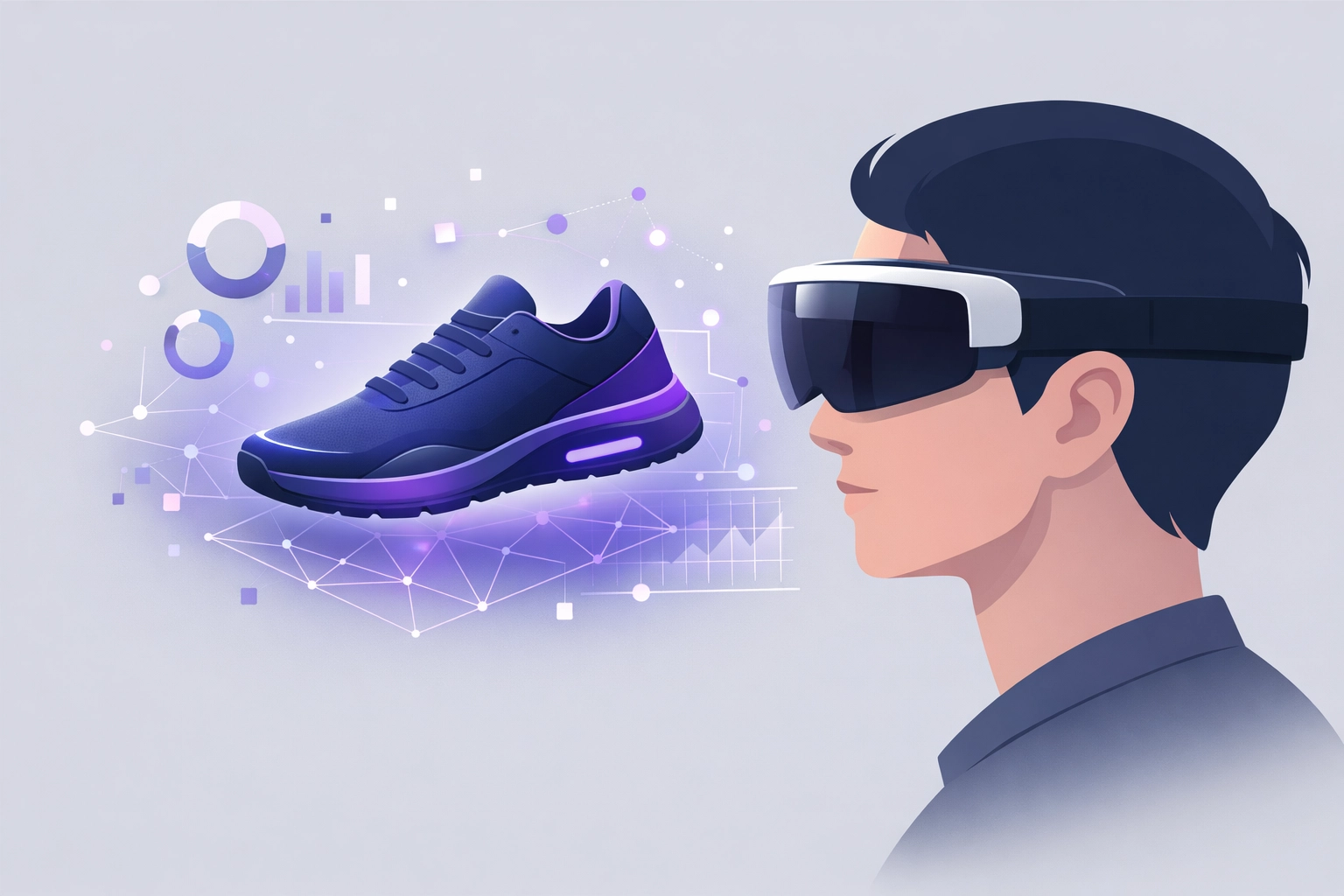
- The Market Leader: Invest in AI-driven personalization and emerging tech like AR (Augmented Reality) shopping experiences. Take a look at our AR Media project for inspiration on what's possible.
Scaling with Marketing Collab USA
At Marketing Collab USA, we don't believe in cookie-cutter plans. We understand that your brand is unique, and your marketing plan should be too. From technical SEO to high-level brand strategy, our team is dedicated to helping you navigate the complexities of 2026.
We combine the "magic" of creative storytelling with the "logic" of data-driven bidding. If you’re ready to stop guessing and start growing, we’re here to help.
Ready to Scale Your Ecommerce Brand?
The future of ecommerce is fast, personal, and incredibly exciting. Don't get left behind by relying on 2024 tactics in a 2026 world.
If you want a partner who understands the nuances of this landscape, let's talk. You can check out our full range of services or reach out to us directly to start building your custom growth roadmap.
Let's make 2026 your most profitable year yet!

